Agentic AI Courses: Real Agents, Real AI Workflows
Learn how autonomous AI agents are designed and connected.


Learn how autonomous AI agents are designed and connected.


▸ Start Here
Most AI answers questions. Agentic AI takes action. It's the difference between asking someone for advice, and hiring someone to actually get the job done.
💬
REGULAR AI (Reactive)
You ask: "What's a good restaurant near me?"
AI says: "Here are 5 options..."
You do everything else, research, book, confirm.
One prompt → One answer
→
THE SIMPLEST POSSIBLE DEFINITION
It's AI that works more like a person than a calculator. It understands a goal, figures out the steps to reach it, and carries them out, using tools, memory, and reasoning.
▸ Core Concepts
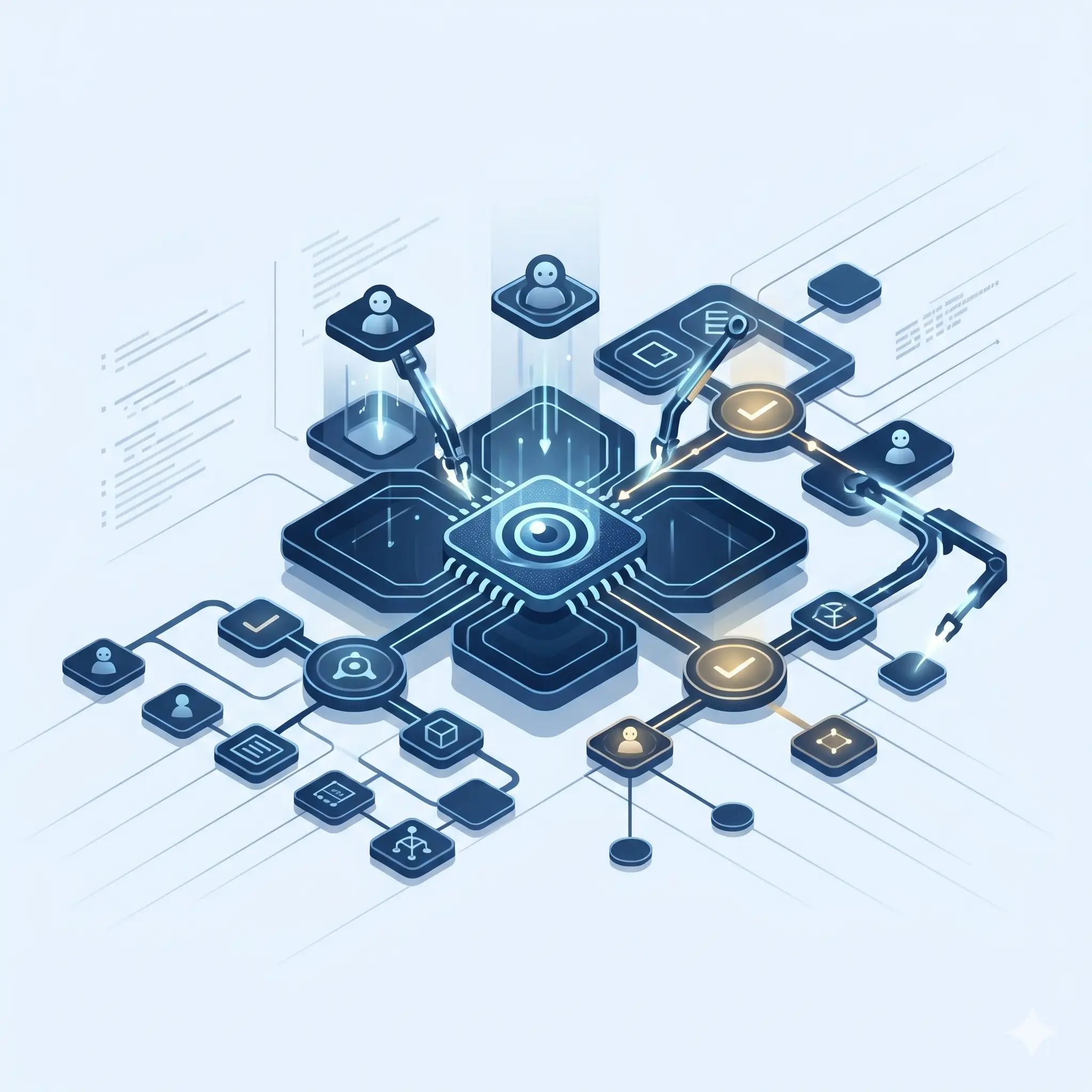
Every system taught in Agentic AI Courses is built on four core capabilities. Once you understand them, AI agents, workflows, and autonomous systems become much easier to design and control.
▸ Step by Step
Learn how AI agents think, plan, and act through real-world workflows taught in Agentic AI Courses.
📧
SCENARIO
You tell an AI agent: "Clear my inbox and summarise important emails and draft replies for the others."
1
The agent parses your instruction and identifies: (1) access the inbox, (2) assess importance, (3) summarise some, (4) draft replies for others. It hasn't done anything yet, it's still understanding.
●No tool use yet. Pure reasoning.
2
It maps out the steps: access Gmail → read each email → classify as "important" or "needs reply" → for important ones: write summary → for others: draft reply. This plan is created before taking action.
●Planning complete. Ready to act.
3
Now it executes. Connects to Gmail via the email tool. Reads 47 emails. For each one, decides: summarise or draft reply. Calls different tools for different actions. Checks results as it goes.
Gmail API | Text summariser | Reply drafter
4
After drafting replies, it reviews them for accuracy. Notices one email mentions an urgent deadline, flags it as high priority. Adapts its output. Delivers a complete report when done.
●Goal achieved. Human reviews final output only.
💡
KEY INSIGHT
You gave one instruction. The agent created a plan, used multiple tools, made dozens of micro-decisions, and delivered a complete result, all without asking you for guidance at each step.
▸ Agent Types
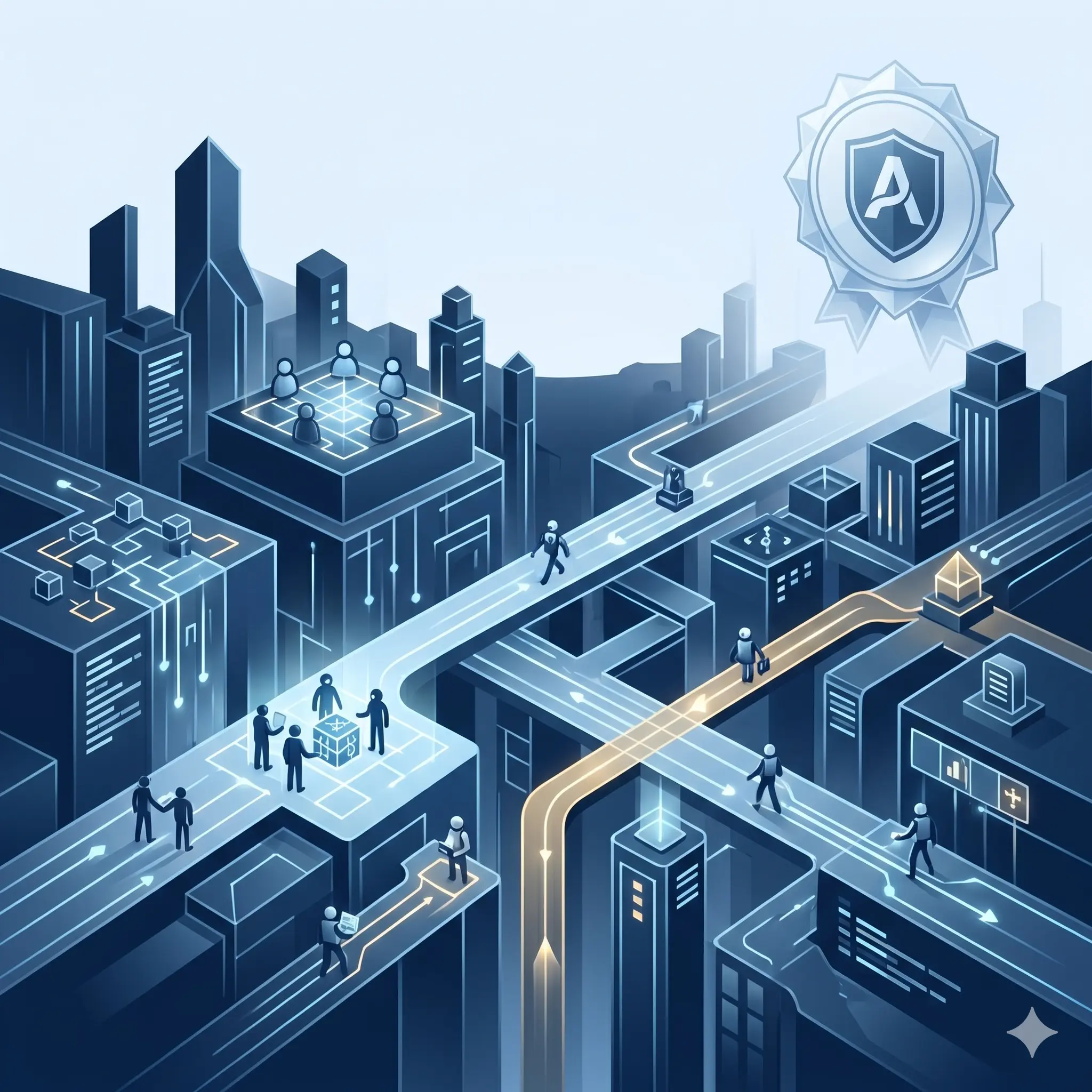
Agentic AI Courses explore different types of AI agents, from simple task-based systems to advanced multi-agent workflows where several AI agents coordinate, reason, and act together to complete complex goals.
🤖
LEVEL 1
One AI that can plan, decide, and act. Handles one type of task. Like a specialist employee with one focus area.
Example: An AI that only manages your calendar
🤖🤝🤖
LEVEL 2
Multiple agents working together, each with a role. One plans, one researches, one writes. Like a team of specialists with a manager.
Example: Agent A researches, Agent B writes, Agent C edits
🧑💼🤖
LEVEL 3
Agent works autonomously but pauses at key moments to get human approval. Best for high-stakes decisions where human judgment still matters.
Example: Agent drafts a legal document, human reviews before sending
🔄
LEVEL 4
Operates continuously without human intervention. Monitors, decides, acts, and adapts, all independently. Where agentic AI is headed.
Example: AI that monitors and manages an entire supply chain
▸ Real Examples
These aren't future predictions, they're happening right now. Here's where you've already encountered agentic AI without realising it.
▸ Why It Matters
We went from AI that could answer questions to AI that can take action. That changes everything about how work gets done, and who does it.
⏱️
Tasks that used to take a full day can now be completed by an agent in minutes, with the same quality.
🔁
Agents don't sleep, take breaks, or get tired. They can run continuous workflows 24/7 without human supervision.
📈
One person with agentic AI tools can do the work of a team, especially for repetitive, research-heavy, or multi-step tasks.
🧑💻
Understanding how AI agents work is becoming a core professional skill, the same way understanding email was in 2000.
You don't need to build agents to benefit from understanding them. Knowing how they work puts you ahead, whether you're a founder, professional, manager, or creator. Start learning the concepts here, at your own pace.
Frequently Asked
Questions